Your first consultation
What to expect, what we discuss and why I may sometimes advise against treatment.
The first appointment is always a medical consultation: first I listen and examine you, then we decide. The consultation does not commit you to any treatment.
Allow thirty to forty-five minutes. Here is what we cover.
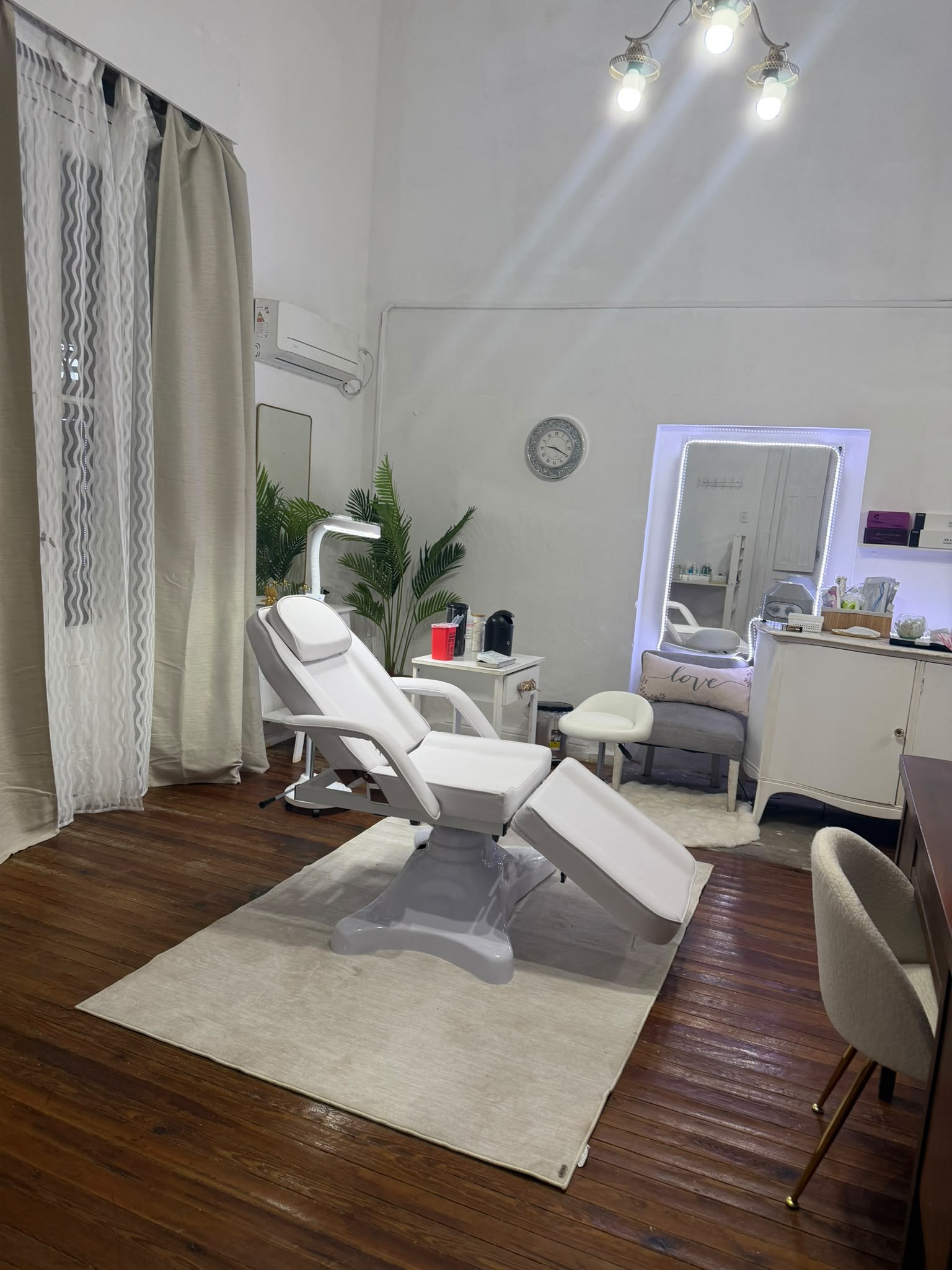
Your concerns
I start by listening: what you have noticed, how long it has concerned you and how it affects you. We explore what you hope to change as well as any treatment you have in mind. For example, you might ask about lip filler but find that looking tired around the eyes is your main concern.
Your medical history
We then go through your medical history:
- Current or past conditions, in particular autoimmune or neuromuscular diseases
- Medicines and supplements you take, anticoagulants and antiplatelets included
- Known allergies
- Pregnancy, trying to conceive, breastfeeding
- Recurrent cold sores
- Previous aesthetic treatments: what, where, when, which product, how it went
- Recent or planned dental work, recent vaccinations
- A tendency to raised scars, including hypertrophic scars or keloids
- Sun exposure expected in the following weeks
If you have records of previous treatments, bring them: knowing which product was injected, and when, changes the decision.
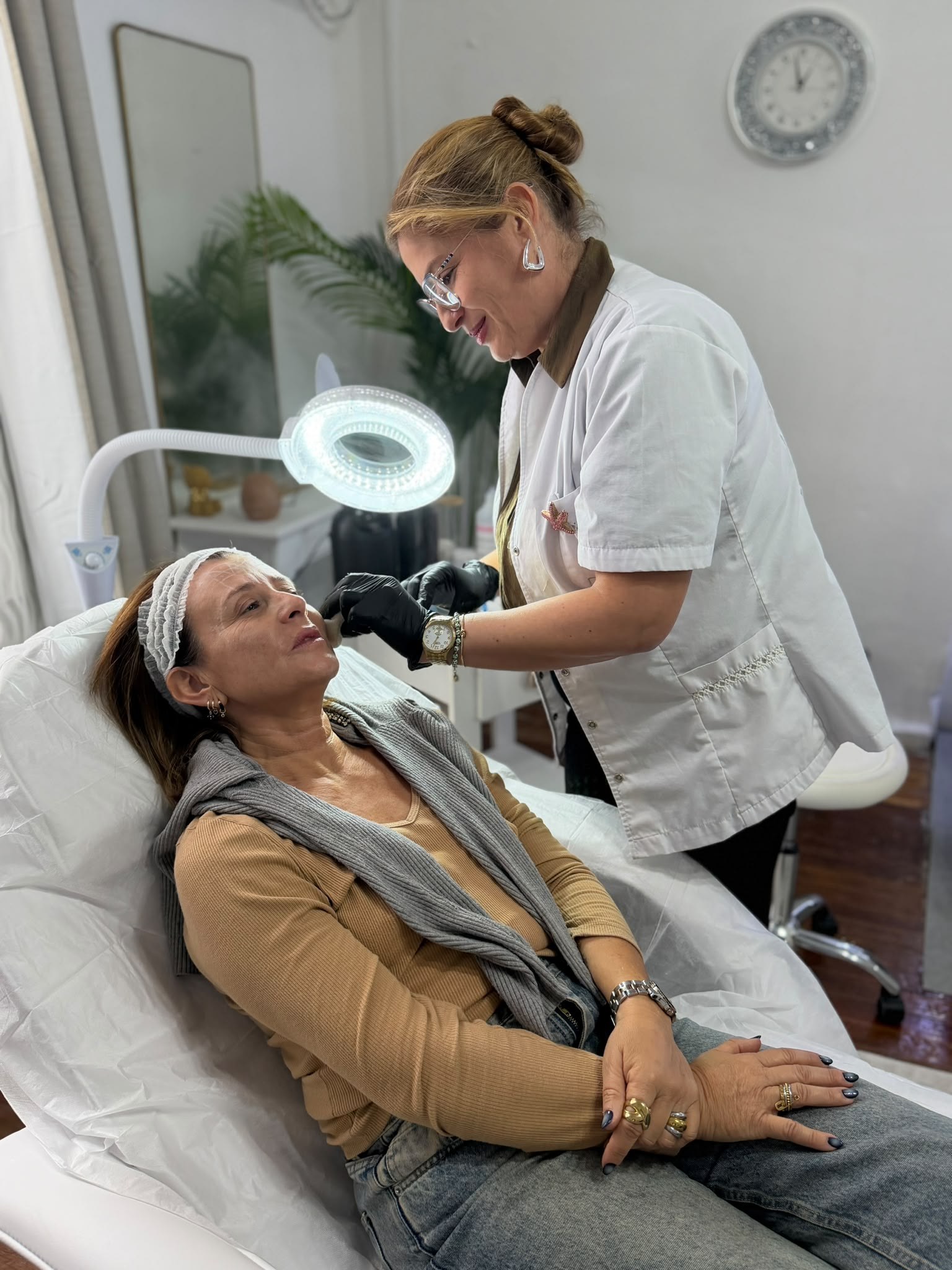
Examining your face
Then I examine you. I look at three things, because they respond to different treatments:
- The surface — hydration, texture, pores, pigmentation marks, acne scarring, sun-related skin ageing.
- The tissue — quality, thickness, elasticity, support and looseness.
- Structure and movement — volumes, proportions, asymmetries, how your face moves.
Expression matters more than it seems. I ask you to frown, raise your eyebrows, smile: I see which lines appear with muscle movement and which are already etched at rest. They are not treated the same way.
I also point out any existing differences between the two sides of your face, so you are aware of them before treatment.
The plan and the cost
I explain the aims and limitations of treatment and the sequence I recommend. The choice depends on the face as a whole: a line, loss of volume and skin laxity may need different approaches.
I explain how many sessions are needed and the cost of the whole course. I plan the intervals according to your skin’s response. If the cost is more than you want to spend, we can discuss a smaller plan or decide not to proceed.
Risks and informed consent
Before treatment I explain the possible complications, including the rare ones: what I do if they occur, how long they take to resolve. Then you sign the informed consent form.
When I may advise against treatment
These are some of the situations we may discuss:
- An absolute or temporary contraindication. Pregnancy, breastfeeding, active infection or inflammation in the area, an active cold sore, autoimmune or neuromuscular disease in an active phase, incompatible medication.
- Unrealistic expectations. A photograph of another face, or asking a filler to do what surgery does: aesthetic medicine does not lift tissue that has dropped substantially. I would rather tell you before.
- The concern needs a different approach. Under-eye shadows caused by pigmentation or by a fat pad do not improve with filler; sometimes they get worse.
- The timing is wrong. A medium-depth peel in July, lip filler three days before a wedding: we postpone.
- Too much has already been done. A heavily treated face sometimes needs to stop and let the product reabsorb.
If you have a question before booking, write to me. Consultations are booked on WhatsApp.
Tell me what you'd like to improveI reply personally with information about your first consultation.
